


Dissolved Air Flotation Equipment: DAF Buyer's Guide
Oil, grease, and fine solids are exactly the pollutants that gravity settling struggles to catch, since they are too light to sink. Dissolved air flotation equipment solves that by doing the opposite of a sedimentation tank: instead of waiting for particles to sink, it attaches microbubbles to them and lets them float, then skims the layer off the surface.
What Is Dissolved Air Flotation Equipment
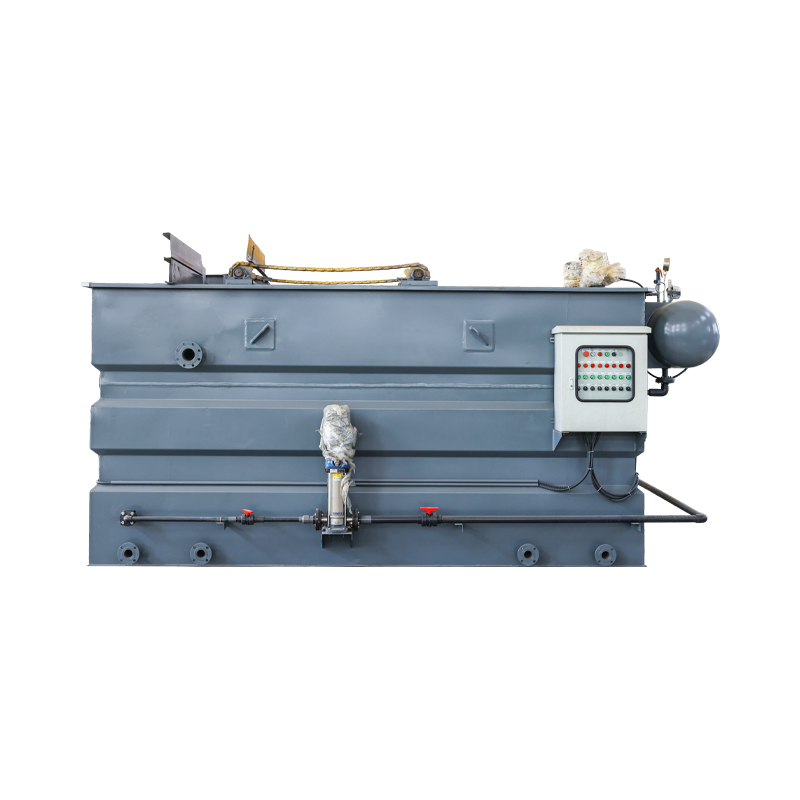
Dissolved air flotation equipment , often shortened to DAF equipment, dissolves air into wastewater under pressure, then releases that pressure to generate a cloud of microbubbles inside the tank. Those bubbles attach to suspended solids, oil droplets, and flocculated particles, carrying them up to the surface where a scraper removes the resulting sludge layer, leaving clarified water to exit near the tank bottom.
DAF Equipment vs Sedimentation Tank
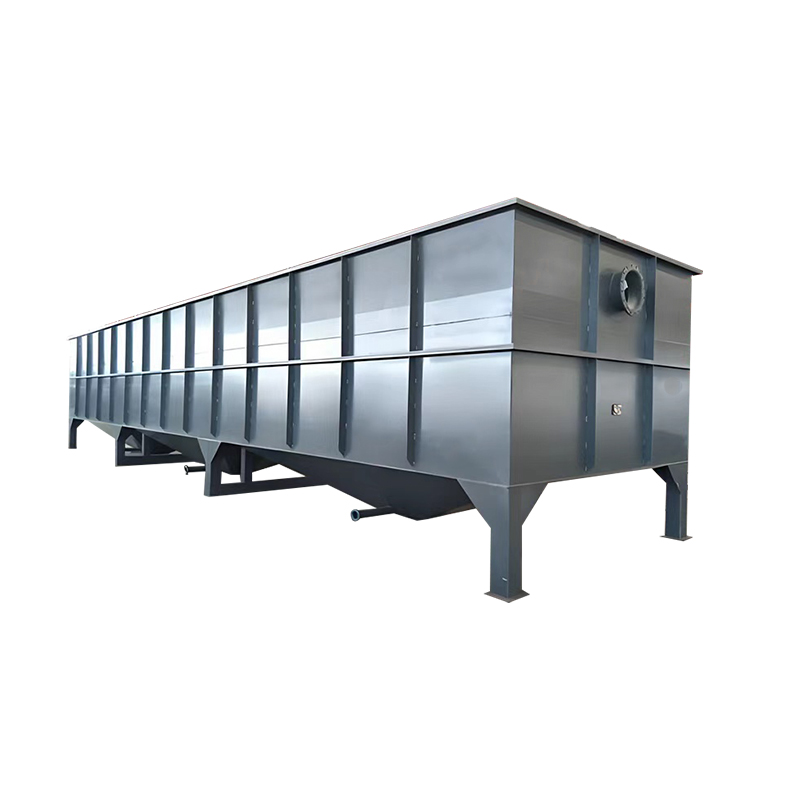
A sedimentation tank waits for gravity to do the work. DAF equipment doesn't wait, it forces separation upward in minutes instead of hours, which is exactly why oily and fine-particle wastewater responds so much better to flotation.
How to Choose the Right DAF Equipment
- Confirm air-to-solid ratio matches your wastewater's particle load, not a generic manufacturer default.
- Check hydraulic and surface loading rates against your actual flow, including peak conditions.
- Evaluate chemical dosing requirements. Some DAF systems need coagulation and flocculation support, others don't.
- Review sludge solids content the system produces, since drier float sludge lowers downstream disposal costs.
- Ask for removal efficiency data on wastewater with a similar oil and solids profile to your own.
Where DAF Equipment Is Used
- Food and beverage processing: removing fats, oils, and organic solids from production wastewater.
- Oil and gas operations: separating oil droplets from produced water and refinery wastewater.
- Textile and dyeing plants: removing suspended dyes and fiber residues before discharge.
- Municipal treatment plants: primary clarification and sludge concentration ahead of biological treatment.
Frequently Asked Questions
Does DAF equipment always require chemical dosing?
Not always. Some wastewater streams float effectively with air alone, while others need coagulant or flocculant dosing to form particles large enough for bubbles to lift.
How does DAF sludge differ from settled sludge?
Floated DAF sludge typically has a higher solids content than gravity-settled sludge, which reduces the volume that needs further dewatering or disposal.
Is DAF equipment suitable for oily wastewater?
Yes. Microbubble flotation is particularly effective at removing oil droplets and grease that gravity sedimentation struggles to capture.
What data should buyers request before purchase?
Request removal efficiency results on wastewater with a similar pollutant profile, along with air-to-solid ratio and hydraulic loading specifications.
 |
Pojďme spolupracovat s Yixing Hengye Environmental Protection
Contact Us
- Rychlé odkazy
- Domů
- Produkty
- Průmyslová odvětví
- Společnost
- Podpora
- Novinky
- Kontakt
- Kategorie produktů
- Stroj na odvodnění kalu
- Válcový filtr
- Flotační stroj na rozpuštěný vzduch (DAF)
- Rotační mechanická tyč
- Dávkovací zařízení
- Provzdušňovač
- Biologický obalový materiál
- Ostatní zařízení na čištění odpadních vod
- Kontaktujte nás
-
-
[email protected]

[email protected] -
+86-13812201185

-
+86-13812201185

-
č. 20, Saite Road, vesnice Gaoyao, město Gaocheng, město Yixing, město Wuxi, provincie Ťiang-su, Čína

-



